In the state of Georgia, just under 15% of the population is food insecure. At Urban Recipe, our goal is to reduce that number, and get food to those who need it.
Part of our mission is to respect the dignity of every person we serve. We have some incredible partners for sourcing food, and we prioritize providing high-quality food for our members. But even with such great resources, we are still often offered food that is past expiration, slightly turned, or in subpar quality.
Though intentions are good, we have to remember that we are serving people, and people deserve good quality food. Therefore, as we serve our neighbors, there are a few checks we put in place to fight for food security.
First: Food Safety
Our partner, the Atlanta Community Food Bank provides great guidance on how to determine if food is still safe to eat. They provide us mostly great quality food that often otherwise would be sent to the landfill, and they provide it with instructions on how to care for people who receive it.
Damage
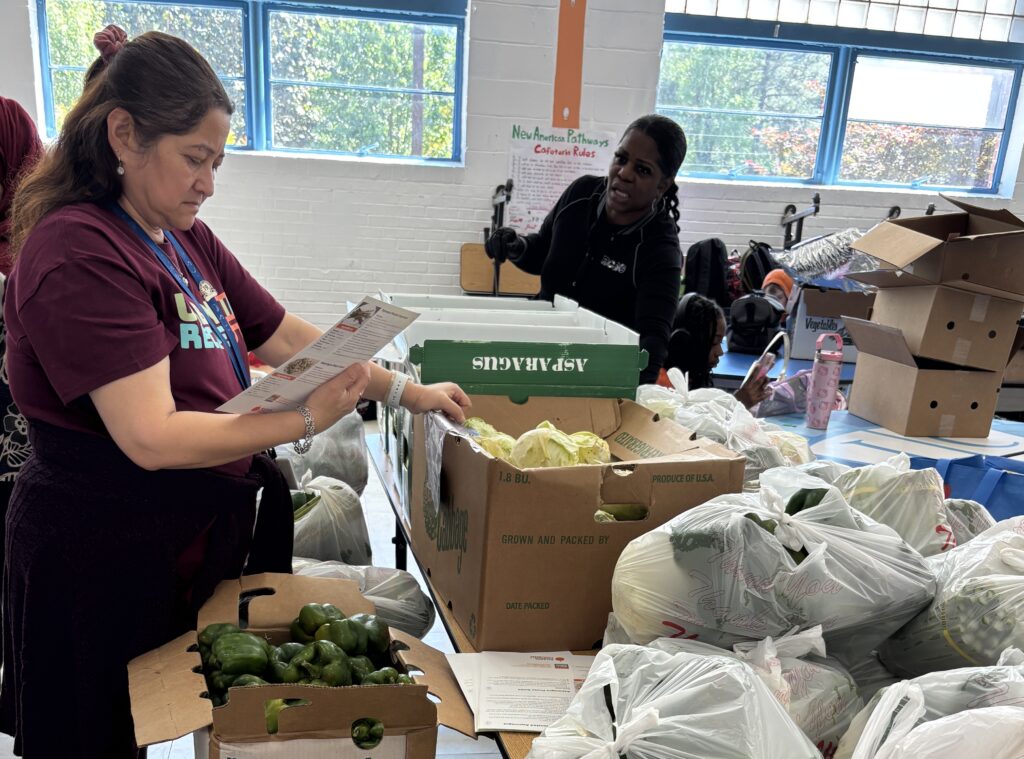
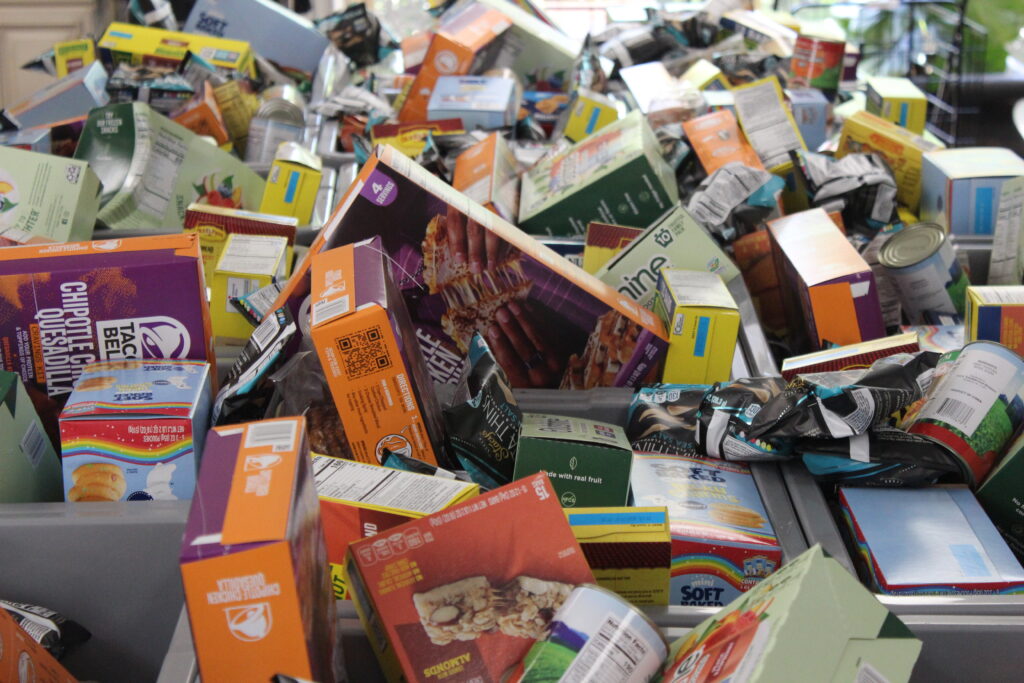
Food comes into our warehouse in one of three conditions: Undamaged, cosmetically damaged, or seriously damaged. If food is seriously damaged, it must be discarded, but cosmetically damaged food can be distributed to families. We take our damaged food items and distribute them via our choice tables, described below, to co-op members.
Expiration
Printed expiration dates are often not a safety date, but rather a quality date. For example, canned fruits, like peaches and tomatoes, are good 2 years past their printed expiration date. Sealed peanut butter is good for 18 months past date. Even frozen meat is good for one year past expiration if stored properly. Some foods, like mayonnaise or baby food, should never be eaten past expiration.
When we receive shipments and donations of food, we inspect them and categorize them by expiration date, discarding anything unsafe, and then prioritizing distribution of the soon-to-expire or just recently expired items to ensure they get in homes before they are unsafe. Most of our recently expired items get moved to our choice tables.
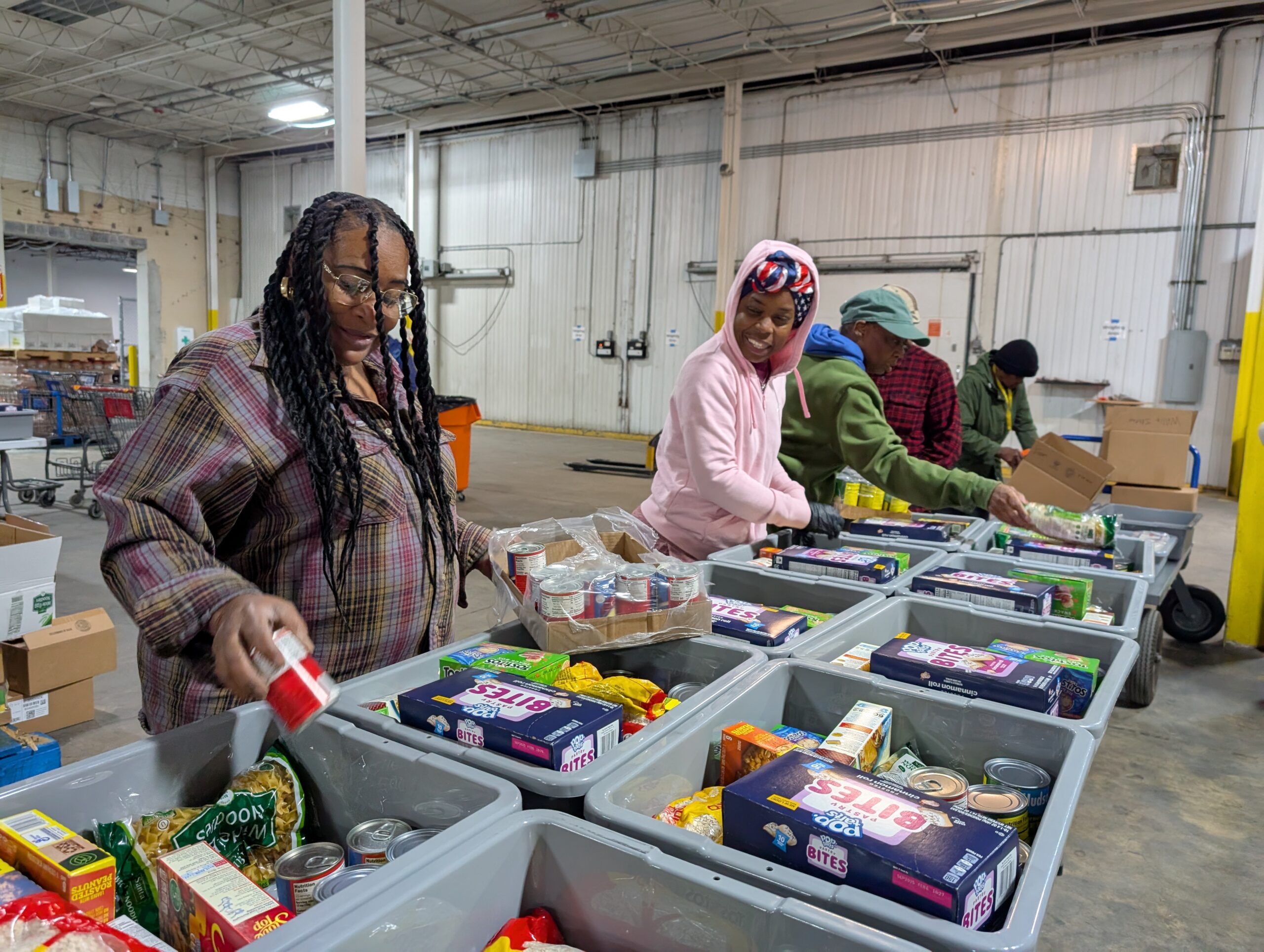
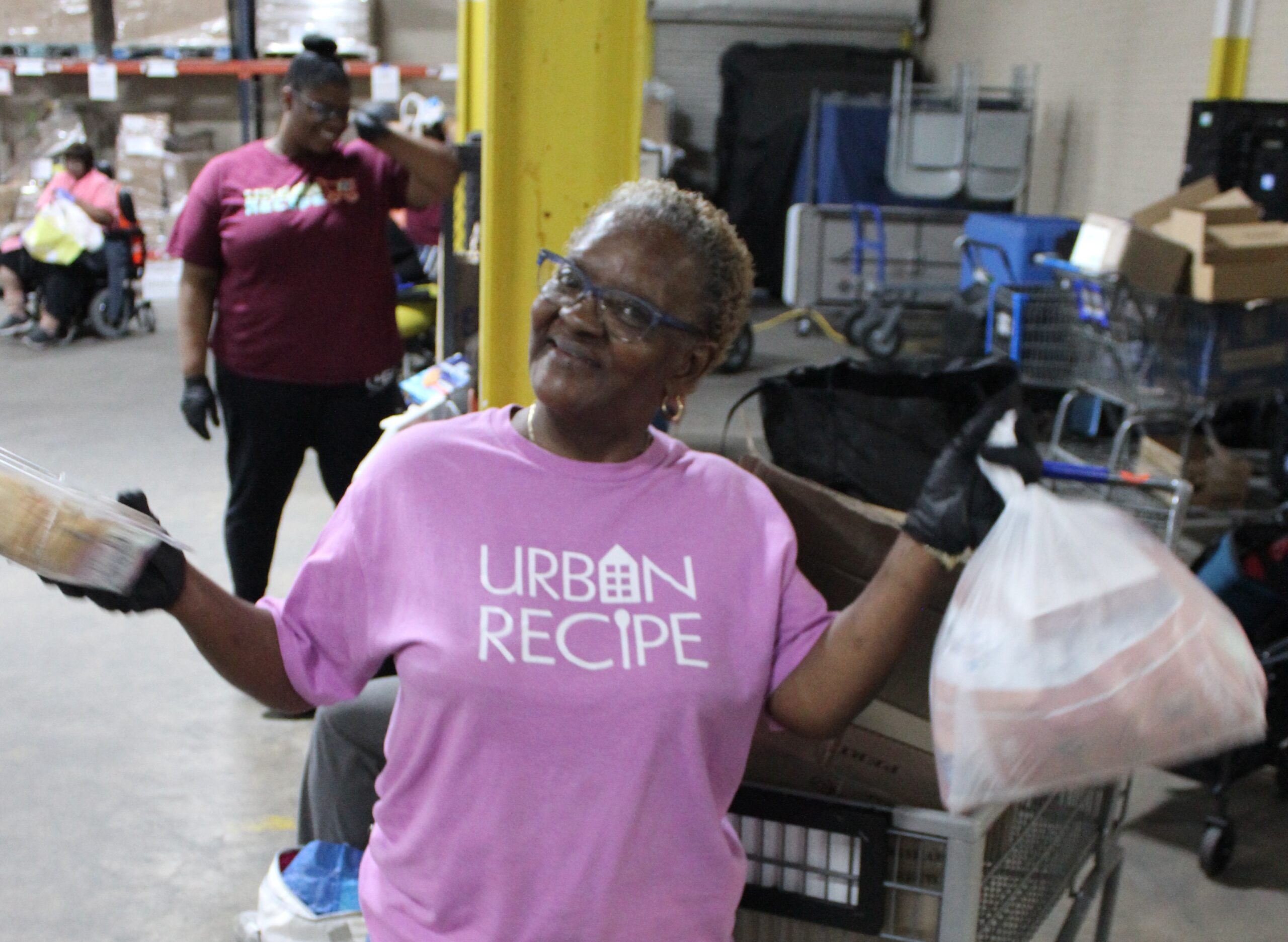
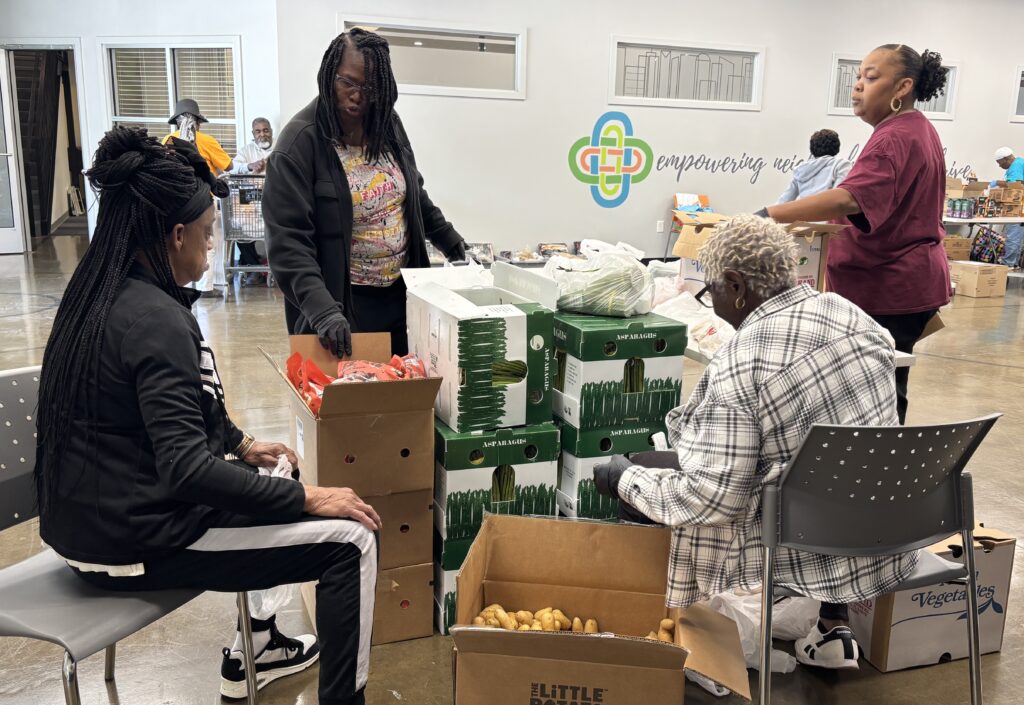
One unique aspect of a food co-op is that all of our co-op members receive annual food safety training. Not only do staff look out for expired and damaged food, but our co-op members also keep an eye out for issues with food safety. As they volunteer their time and sort through the food, they take care and check items for quality before sharing them with their neighbors. All of our volunteers who pack our mobile pantry boxes are also safety trained and also conduct these checks.
Second: The Dignity of the People and Food Security
As we all know, food is not just about safety. It’s also a source of comfort. If families are anxious about the quality of food they are consuming, it is going to be a less food secure experience.
At Urban Recipe, we recognize the community aspect of food. Families come together at every co-op meeting to grow in community and relationship, while receiving food for their homes.
When we distribute food, we work hard to ensure it goes out equitably: smaller amounts of food for smaller families, larger for larger families. We strive to ensure every item of food in the bins families take home is of the highest quality, trying our best to not put damaged or expired food as the base families receive every two weeks.
But we still have expired and damaged food, so what do we do with that?
The Choice Table
Co-op members go home with bins of food every week: frozen food, non-perishable food, and fresh produce. They also have access to the choice table – one of the ways Urban Recipe is unique!
The choice table is filled with items that are choices for our families. Every family is offered a few items off the table. This table is often full with slightly damaged or expired items, all of which are safe to eat, but may be less appealing or grocery-store ready. Families can choose to take these home if they would like them. If there is a damaged box of cereal, you may be more inclined to take it if it is your favorite!
The choice table also is filled with home goods, hygiene products, and specialty food items (recently candy, some filet steaks, 5 gallon jugs of peppers) that not everyone would want, but are treasures to some.
At the end of the co-op meeting, families select a few choice items to take home with them, often sharing items they know their fellow members would love.
This method of distribution at our co-op meetings helps reduce food waste, while also allowing members choice – a key part of being a human! If you would like to support the Urban Recipe model and allow us to continue to serve, consider making a donation today.