
Every single person experiences instability or crisis at some point in life. It can arrive suddenly and without warning: an unexpected job loss, the death of a loved one, a serious medical diagnosis, or a traumatic accident. In those moments, the systems we rely on every day – housing, income, health, and food, can quickly become uncertain.
Sharon, an Urban Recipe food co-op member, experienced a crisis on top of her instability.
Last year, Sharon survived a traumatic and life-changing gas explosion in her home. The explosion caused severe burns over 75% of her body, requiring immediate and extensive medical care. She spent six months in the ICU, fighting for her life before finally being released home to continue a long and difficult recovery.
By all accounts, her survival was nothing short of miraculous. Survival, however, was only the beginning.
Before the accident, Sharon had been a committed food co-op member for more than 15 years. She showed up, participated, and relied on the co-op as part of her regular rhythm of life. After the explosion, she was no longer able to care for herself or attend co-op meetings.
That responsibility fell to her daughter, Sharron.
Sharron suddenly found herself balancing full-time work, caregiving for her mother, and the emotional weight of watching someone she loves fight to recover. On top of that, she needed to make sure there was food on the table consistently during a time when little else felt stable.
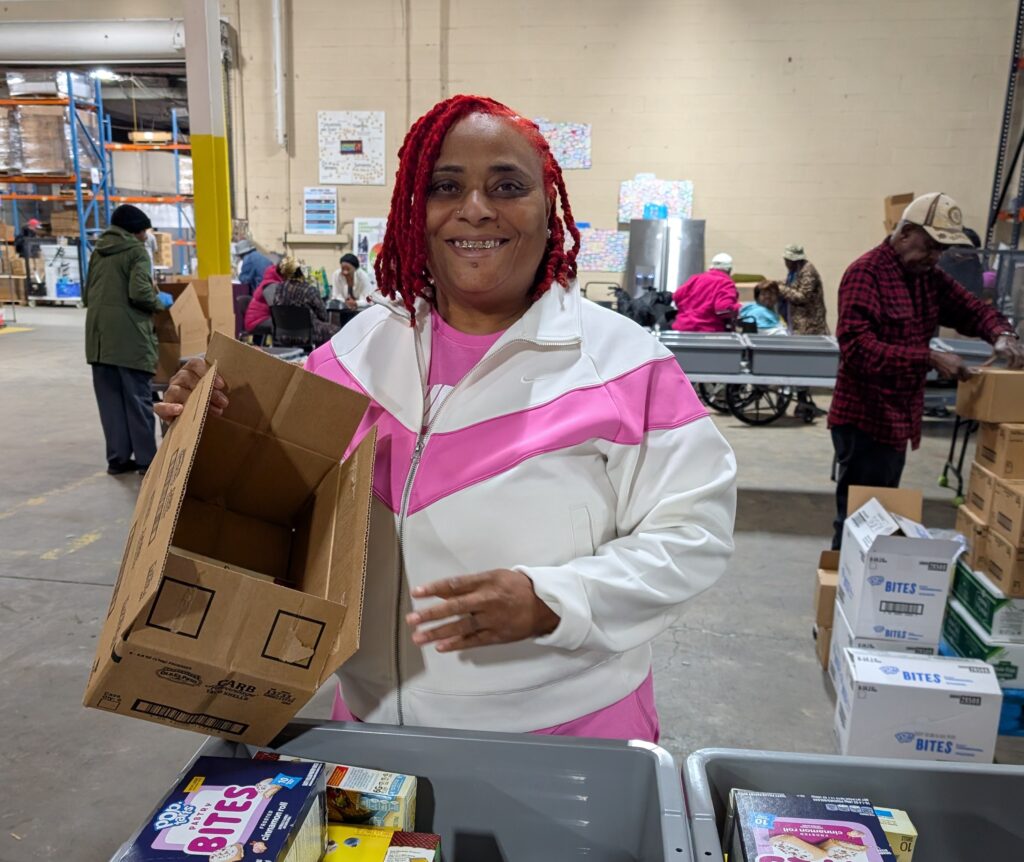
Sharron began coming to the food co-op in her mother’s place, volunteering her time and participating fully, just as her mom always had. Later that year, she officially joined the co-op herself, taking home groceries for both her and her mother.
Because of her mother’s long-standing involvement, Sharron was already familiar with Urban Recipe before joining. “At first, I really didn’t want to come,” Sharron shared. Like many people facing sudden hardship, she felt uncomfortable with the idea of relying on help, especially from people she did not know. The stigma around food assistance runs deep, and it can keep people from seeking support when they need it most.
When Sharron joined the food co-op, she discovered something different. She did not just find groceries. She found community.
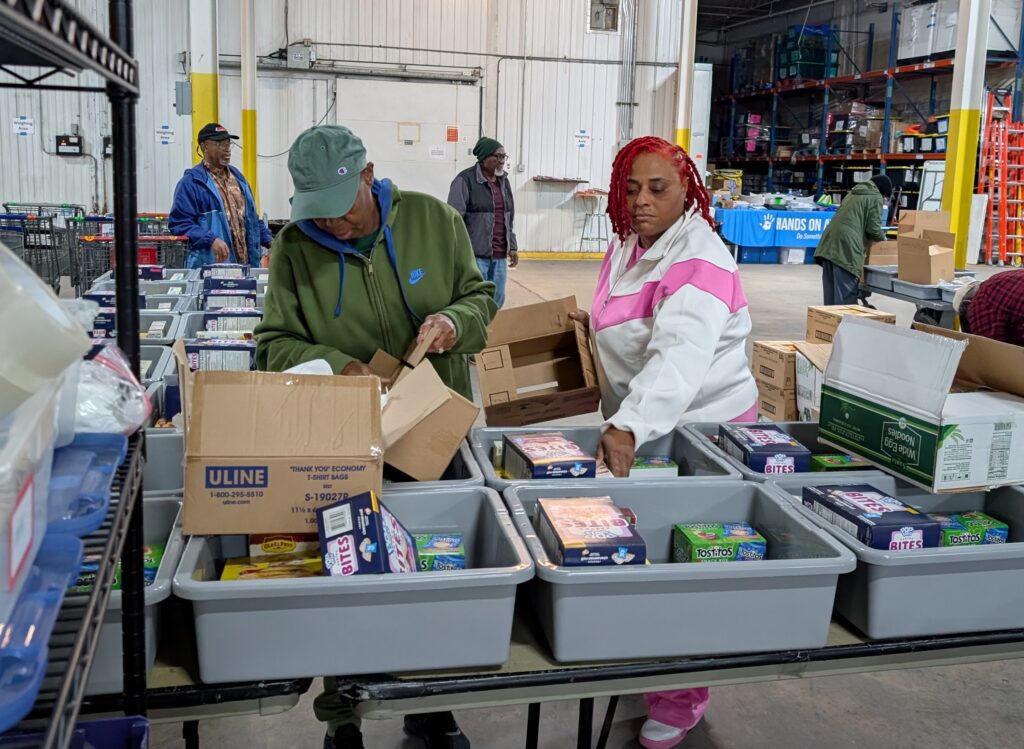
“Now I look forward to [coming to co-op]” she said. “I now have my peace with it. Plus we come and help other people that are in need, and that’s the most important thing: giving back to the community and trying to help others.”
Through her experience, Sharron learned a powerful truth. At a food co-op, you do not rely on strangers for long.
Strangers become neighbors. Neighbors become community.
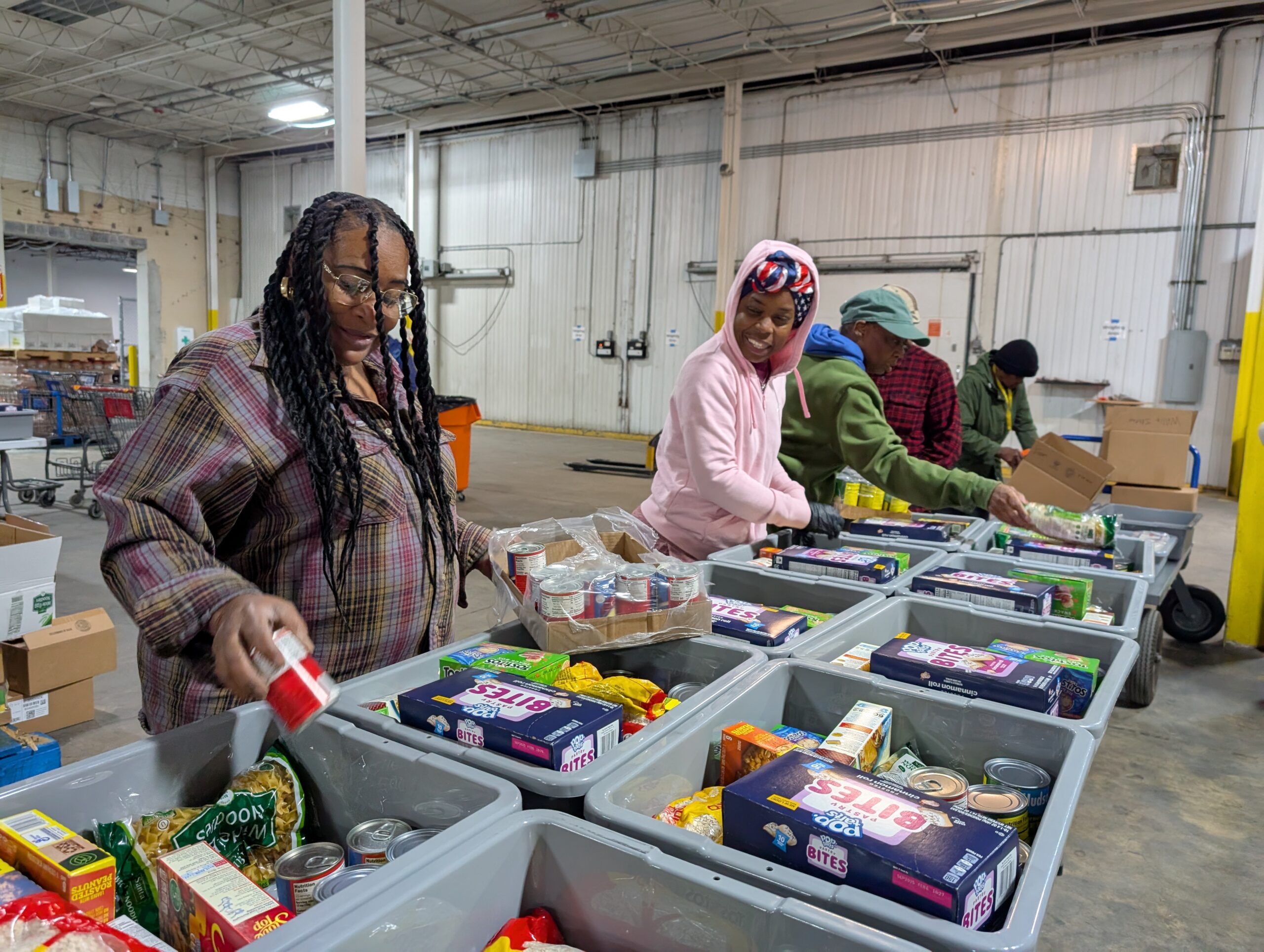
In the Urban Recipe food co-op model, members participate together, serve alongside one another, and build real relationships. People know each other’s names and stories. They show up not only to receive food, but also to contribute time, care, and dignity.
Together, co-op members face the challenges of food insecurity side by side rather than in isolation.
Sharron and her mother’s story shows why food co-ops matter, especially during seasons of crisis.
Life is unpredictable. Health changes. Income changes. Circumstances change. A food co-op offers something steady in the middle of uncertainty:
- Consistency in access to food
- Reliability in scheduling and participation
- Dignity through mutual contribution
- Community that supports members through ups and downs
Co-op members know food will be waiting. They know their community will be there. No matter what life looks like at home, they have a dependable way to feed themselves and their families.
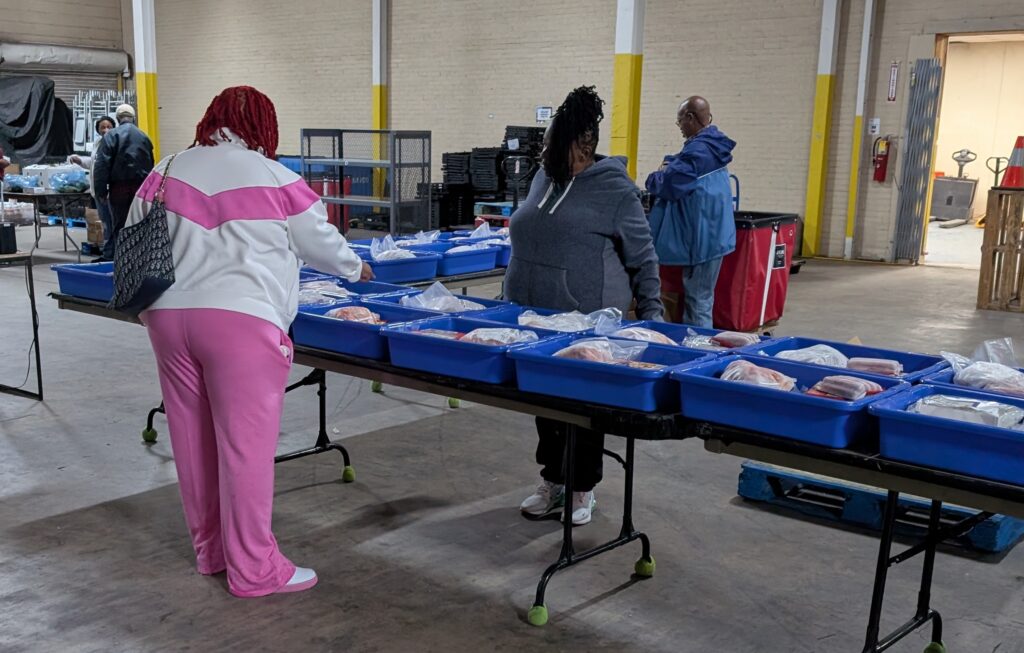
At Urban Recipe, our vision is to be a catalyst for a world where food security is guaranteed for all. Stories like Sharron and her mother’s remind us why this work matters, not only in moments of stability but especially in moments of crisis.
Food security is not just about calories. It is about peace of mind. It is about knowing you will not face hardship alone. It is about community showing up when life feels overwhelming.
Today, we continue working toward that vision, one food co-op meeting at a time.